Disaster cleanup rarely unfolds in a controlled or predictable manner. Storm damage, flooding, fire events, tornadoes, and structural failures generate debris rapidly and unevenly. In these conditions, waste removal is not a peripheral service. It becomes a core operational component of recovery, influencing safety, access, documentation, and the speed at which repairs can begin.
For homeowners and disaster cleanup personnel, temporary waste solutions provide structure during chaotic circumstances. Organized debris containment reduces hazards, protects property, supports insurance processes, and allows restoration work to proceed with fewer interruptions.
In emergency scenarios, waste logistics are inseparable from recovery logistics.
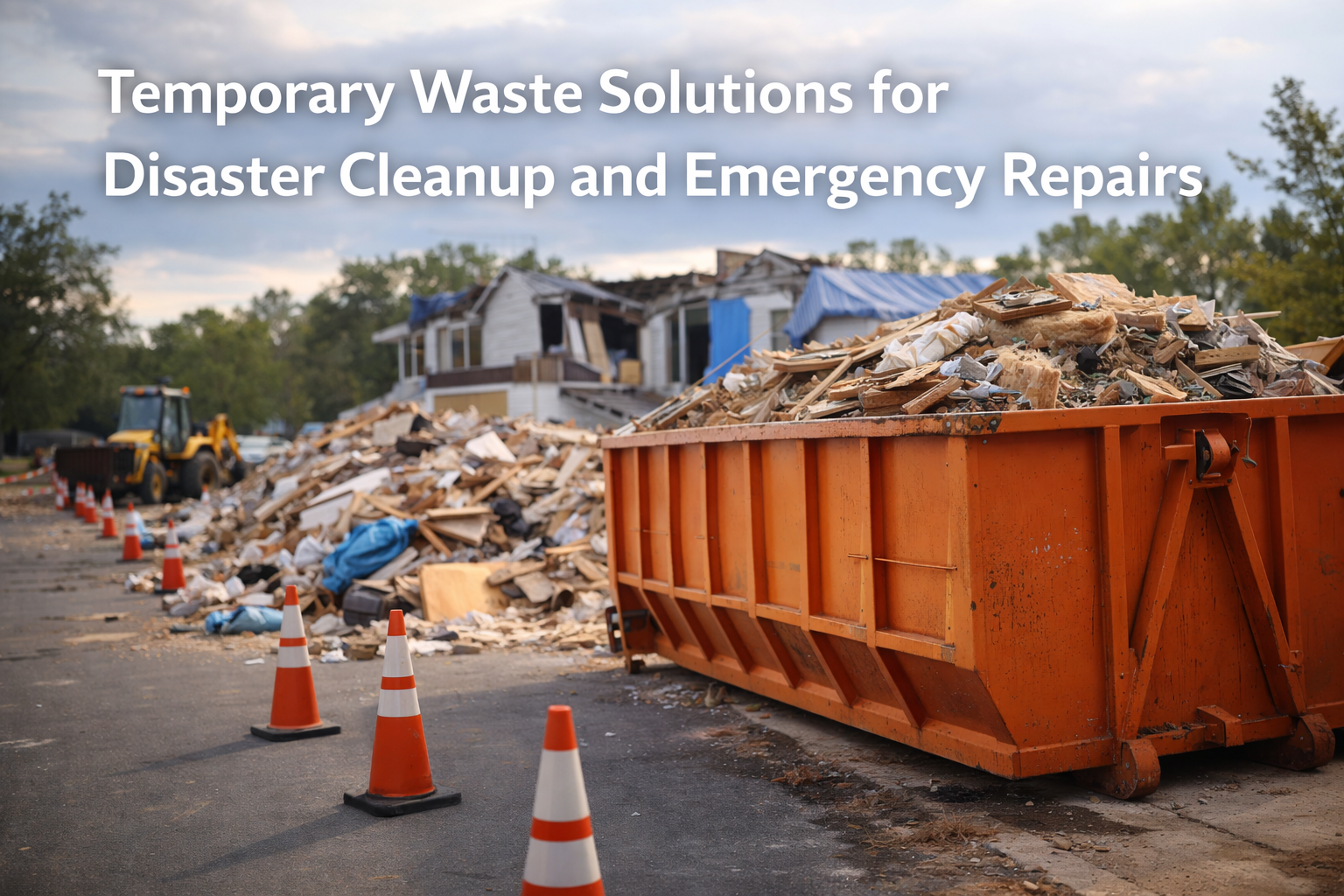
Unlike planned renovations, disaster cleanup produces multiple waste streams at once. A single severe weather event may generate structural damage, water intrusion, fallen trees, and interior property loss simultaneously.
Common debris categories include:
Water-damaged drywall, insulation, and flooring
Burned framing materials and roofing components
Shingles, siding, and sheathing
Damaged furniture and personal belongings
Fallen limbs, tree trunks, and vegetative debris
Mud-contaminated materials from flooding
The combination of structural and household debris creates rapid volume escalation. Without immediate containment, materials accumulate in yards, driveways, garages, and interior rooms, restricting access and slowing cleanup teams.
Temporary containers provide a centralized collection point, reducing scatter and restoring order to damaged properties.
Debris Management Is a Safety Priority
Post-disaster environments often contain unstable surfaces, protruding fasteners, broken glass, mold-contaminated materials, and compromised structural elements. Leaving debris in walkways or work areas increases the likelihood of injuries.
Supporting compliance with basic jobsite safety standards
A controlled debris zone enables emergency repairs to proceed without compounding risk.
Clear Work Zones Accelerate Emergency Repairs
Emergency repair crews cannot operate efficiently when access points are blocked. Electrical restoration, temporary roof tarping, structural bracing, and plumbing stabilization require unobstructed staging space.
Temporary waste solutions facilitate:
Faster structural assessment
Clear pathways for equipment
Organized staging of replacement materials
Better coordination among trades
In disaster recovery, time is critical. Every delay in debris removal delays drying, stabilization, and reconstruction.
Organized containment directly influences how quickly essential repairs can begin.
Mixed Debris Requires Structured Planning
Disaster cleanup produces complex waste streams. Structural debris, organic material, personal property, and potentially hazardous items are often intermingled.
Effective temporary waste planning includes early evaluation of:
Hazardous materials such as chemicals or fuel containers
Electronics and appliances
Water-saturated materials prone to mold
Soil-contaminated debris
Separating vegetative waste from structural materials
Improper mixing of debris categories can create disposal challenges, load rejection, or additional fees. Structured segregation reduces compliance issues and improves hauling efficiency.
Moisture and Weight Add Complexity
Flooded materials weigh substantially more than dry debris. Saturated drywall, carpet, insulation, and wood framing can quickly push containers toward weight thresholds.
Even partially filled containers may reach transport weight limits due to water saturation. If hauling is delayed because of overweight loads, cleanup operations stall.
Monitoring load weight throughout the cleanup process prevents last-minute adjustments and preserves workflow continuity.
Weight awareness is particularly important in water-damage scenarios.
Insurance Documentation Is Easier with Organized Disposal
Insurance claims following disasters require documentation. Adjusters often need photographic evidence and clear identification of damaged materials before disposal.
Centralized waste containment supports:
Easier documentation of damaged items
Clear separation of salvageable materials
Improved communication with insurance representatives
Reduced disputes regarding disposal timing
Disorganized debris piles complicate claims processing and may require re-sorting for verification.
Disaster cleanup timelines are compressed. Waiting several days for debris containment capacity can prolong exposure to secondary damage such as mold growth or weather intrusion.
Temporary waste solutions must align with the urgency of emergency response. This includes:
Prompt delivery
Appropriately sized containers
Flexible haul scheduling
Capacity to adjust as debris volume increases
Coordinated deployment reduces downtime between damage assessment and active repair.
In emergency conditions, responsiveness is as important as capacity.
Municipal Guidelines During Large-Scale Disasters
When disasters affect multiple properties within a community, municipalities may implement temporary debris management guidelines.
These guidelines may include:
Designated curbside placement zones
Time-limited container allowances
Mandatory separation of organic and structural debris
Coordination with public works departments
Noncompliance with temporary emergency rules can delay cleanup or result in enforcement actions, even during recovery.
Staying informed about local guidance ensures recovery proceeds without regulatory interruption.
Protecting Property Surfaces During Cleanup
Disaster conditions often compromise surfaces. Saturated soil weakens ground stability. Driveways may already be cracked from storm impact. Foundations may be exposed.
Placing heavy temporary containers on vulnerable surfaces requires caution. Protective boards and careful placement reduce the risk of additional structural or pavement damage.
Avoiding secondary damage is especially important during already costly recovery efforts.
Coordinating Multiple Recovery Teams
Disaster cleanup frequently involves overlapping service providers:
Water mitigation specialists
Roofers and tarping crews
Electricians
General contractors
Insurance inspectors
Without centralized waste coordination, debris may be relocated multiple times between teams. This increases labor hours and confusion.
A clearly defined disposal zone ensures all teams follow consistent waste procedures. Communication regarding container use, material segregation, and haul timing improves overall efficiency.
In regional disasters such as hurricanes or wildfires, waste volume surges dramatically. Disposal infrastructure may become strained, and availability of containers may fluctuate.
Coordinated logistics across multiple properties improves predictability and reduces bottlenecks. Industry discussions often reference coordination through platforms such as Waste Removal USA when examining how centralized temporary waste services support organized debris management during widespread emergency response efforts.
Centralization improves scalability when demand spikes unexpectedly.
Emotional and Psychological Stability
Disasters disrupt more than property. They destabilize routines and introduce stress for homeowners. Organized waste removal provides visible progress during recovery.
Clearing debris:
Restores a sense of order
Signals forward movement
Reduces visual reminders of damage
While waste management does not repair structural loss, it contributes to psychological stabilization during difficult recovery periods.
Common Mistakes in Emergency Debris Management
Recurring challenges during disaster cleanup include:
Underestimating total debris volume
Failing to account for water-saturated weight
Delaying container scheduling
Mixing incompatible materials
Blocking emergency access routes with debris
These issues compound quickly under time pressure. Proactive planning mitigates preventable disruptions.
Integrating Waste Strategy into Emergency Planning
Preparedness improves recovery outcomes. Homeowners and response teams benefit from treating temporary waste solutions as part of emergency planning rather than an afterthought.
Best practices include:
Identifying potential container placement areas in advance
Understanding local disposal rules
Coordinating with restoration contractors early
Monitoring debris accumulation daily
Scheduling timely hauls aligned with cleanup pace
When waste strategy is integrated into response planning, recovery becomes more organized and less reactive.
Waste Removal as a Stabilizing Operational Force
Temporary waste solutions provide structure during unstable conditions. They create controlled zones within chaotic environments, allowing repair crews to work efficiently and safely.
Debris containment supports:
Safety
Regulatory compliance
Insurance documentation
Coordinated trade sequencing
Reduced labor inefficiency
In emergency repair scenarios, these factors directly influence recovery timelines.
Temporary waste solutions are a foundational component of disaster cleanup and emergency repairs. Centralized debris containment improves safety, accelerates access for repair teams, supports insurance documentation, and ensures compliance with municipal guidance.
For homeowners and disaster response personnel, integrating structured waste management into recovery strategy reduces delays and restores stability more efficiently. In high-pressure emergency environments, effective debris logistics are not optional. They are integral to organized, timely, and safer recovery efforts.
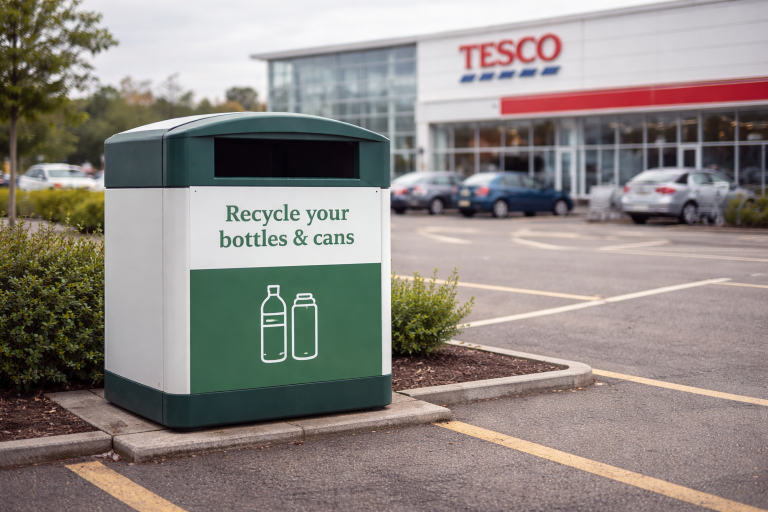
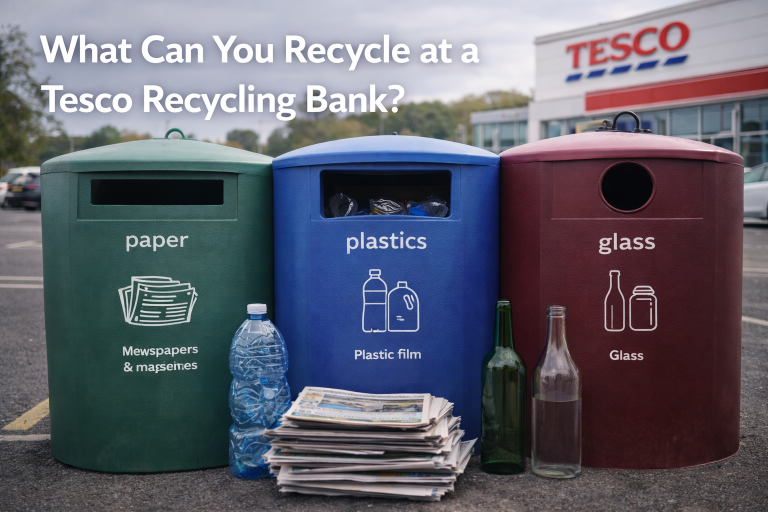
Tesco’s recycling facilities are changing the game in environmental sustainability across the UK. With 200 stores offering recycling drop-off points, customers can now manage waste responsibly and easily. The Tesco recycling network is a big leap towards cutting plastic waste. These facilities in key locations let customers safely dispose of soft plastics. Tesco’s green efforts…
Tesco’s recycling banks are revolutionising local recycling across the UK. These facilities allow customers to dispose of various materials responsibly. Tesco’s commitment to the environment is clear through this initiative. Nearly 200 Tesco stores now offer recycling points. Customers can recycle soft plastics like cling film, bread bags, and crisp packets. Pet food pouches are…
Tesco launched its soft plastics recycling programme in March 2021. By August, the service went nationwide, marking a big step in sustainable packaging. The programme tackles a major environmental issue. In 2020, only 6% of UK soft plastics were recycled. Tesco aims to collect over 1,000 tonnes of plastic yearly. They hope to recover more…
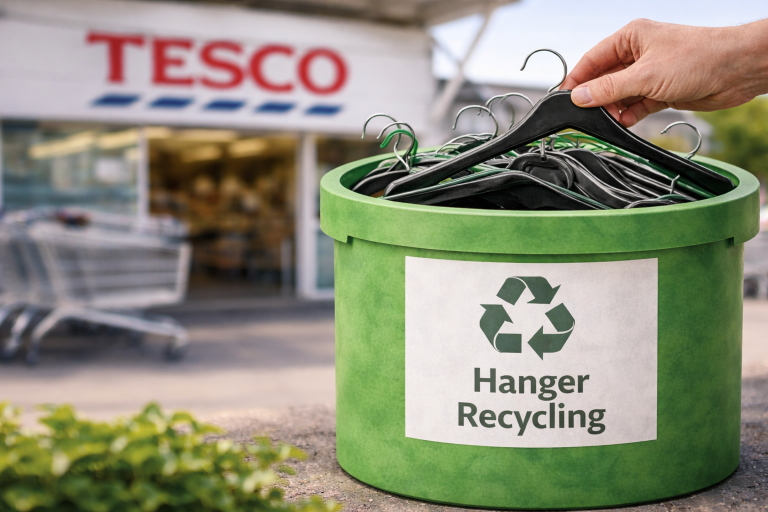
Plastic hangers pose a significant environmental threat. Each year, 8 billion polystyrene and polycarbonate hangers end up in landfills. Tesco’s new recycling programme tackles this issue head-on. This guide will help you join Tesco’s innovative recycling solution. By recycling responsibly, you can help reduce plastic waste and protect our environment. Tesco’s programme is a big…
Understanding the opening hours of your local Tesco is crucial for planning your shopping trip, especially during weekends and bank holidays. Tesco, one of the UK’s largest supermarket chains, operates various store formats, each with its own trading hours. Currently, large stores in England and Wales are restricted to six hours of trading on Sundays…
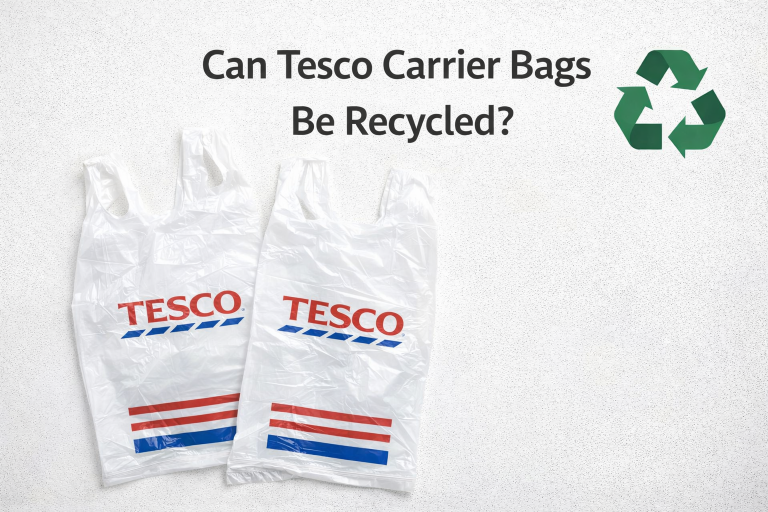
Plastic waste poses a major environmental challenge for UK supermarkets. Tesco’s carrier bags and soft plastic recycling offer an innovative solution. UK supermarkets produce about 800,000 tonnes of plastic yearly, making sustainable disposal crucial. Tesco’s soft plastic recycling initiative tackles this growing waste problem. A 10-store trial in 2018 revealed many commonly returned packaging types….